
STYLE
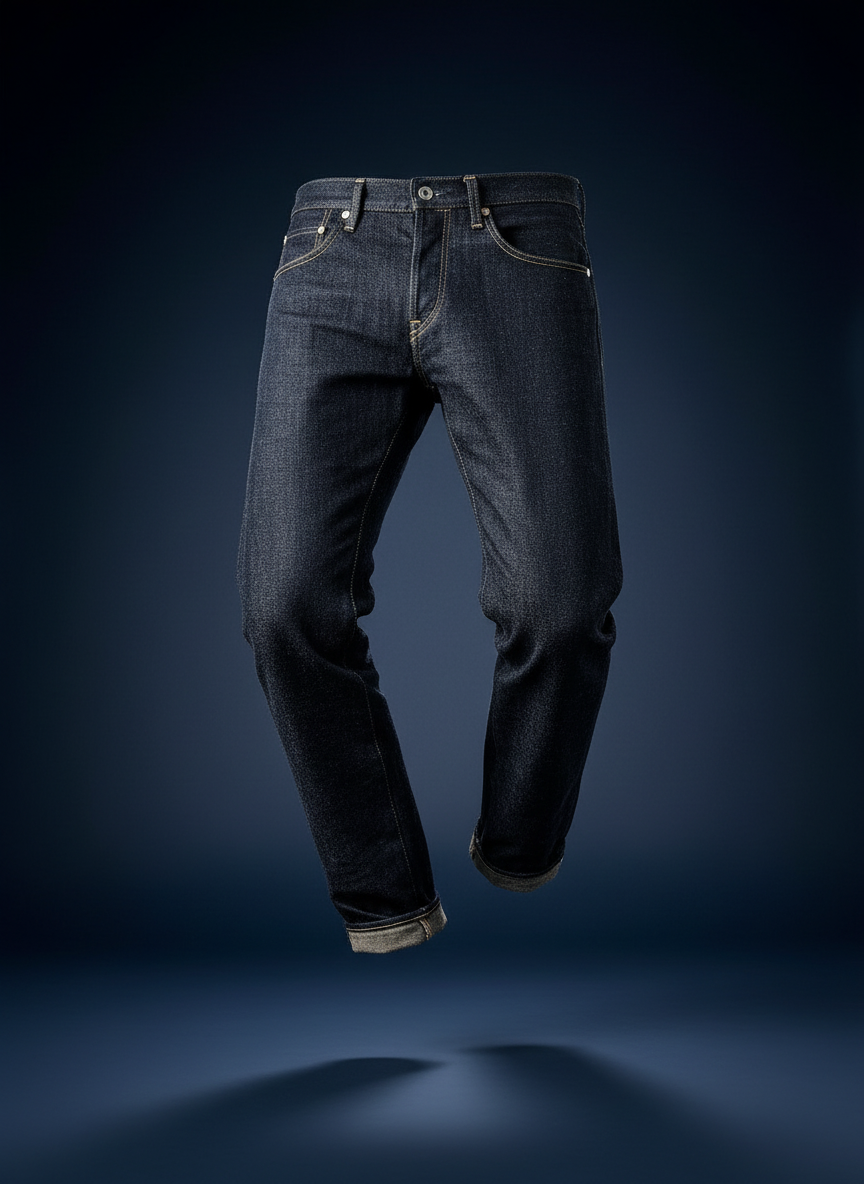
ONI Secret Denim.
By Matt Price
To say that ONI Denim is a secretive company is an understatement. They don’t advertise. They don’t have a website to speak of. And they only have a handful of stockists, worldwide. What we do know is that, for years now, the brand has been producing jeans and jackets that boasts a unique character – made from a fabric they call Secret Denim […]
In the 21st Century, one country stands alone as the source of the world’s best denim: Japan. Yet the reasons for this go back a lot further than the last two or three decades.
When the Second World War ended, thousands of American GIs remained stationed in Japan. While many adult Japanese resented their presence for obvious reasons, a new generation of Japanese kids, who were too young to have fought in the war, developed a fascination for Americana, fuelling a burgeoning black market in US goods, from bubble gum to Levi Strauss jeans.
When these kids were reaching adulthood, in the second half of the 20th Century, another shift was taking place, back in the US. Levi Strauss and its biggest two rivals – Lee and Blue Bell’s Wrangler – were all discovering the commercial benefits of mass production. With the invention of the projectile loom, they realised they could make denim faster and more cheaply. The fact that the resulting fabric was of lower quality mattered little: nobody needed super-tough jeans for work anymore. Jeans had been fashion items since the Fifties.
For those now-adult Japanese denim afficionados, the timing was perfect. They bought up the old hand-operated shuttle looms, had them shipped to Japan and used them to set up their own denim businesses.
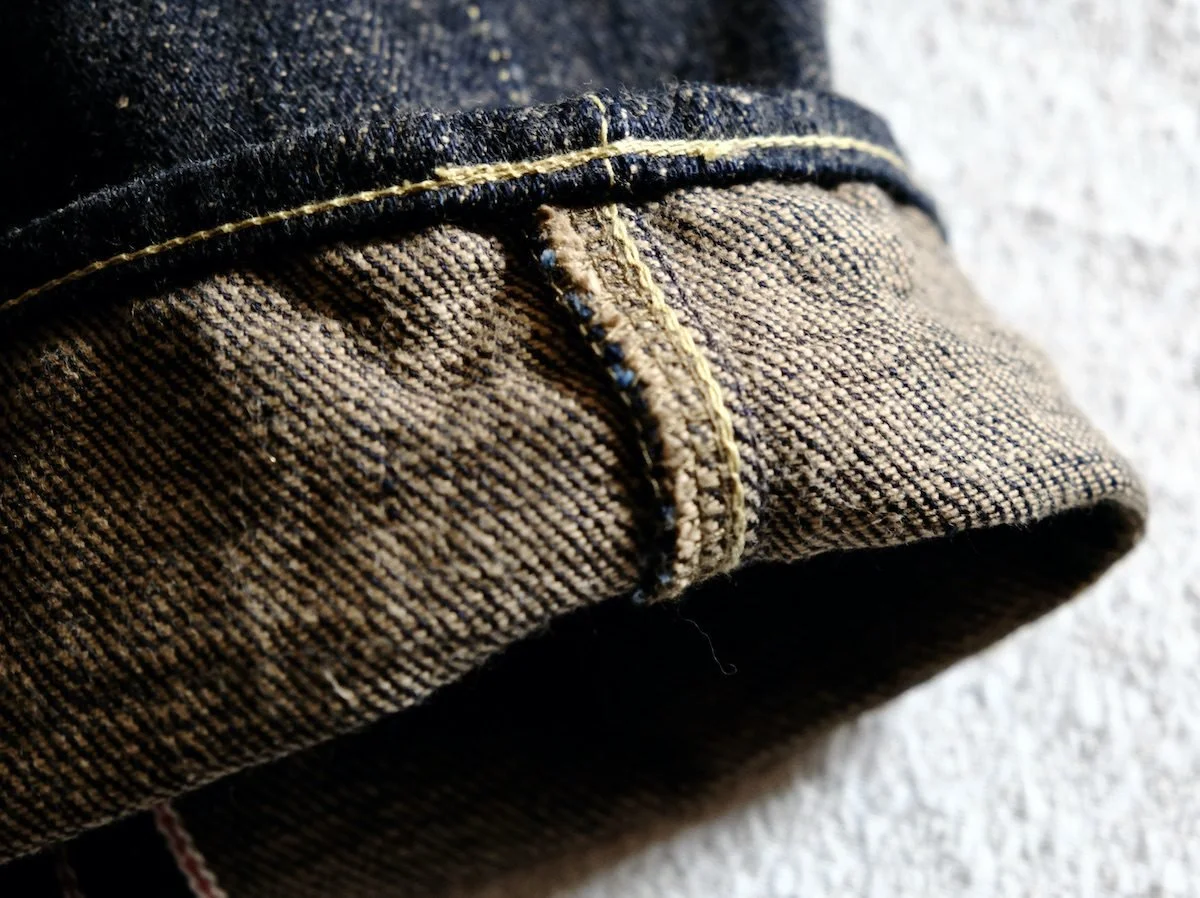
They began making replicas of the old American jeans and jackets, using methods as close to the original techniques as possible. Zimbabwean cotton was chosen as the closest approximation of the cotton that used to be grown in America’s Deep South. The indigo colour was imparted via traditional rope dyeing. And the denim itself was finished with a decorative selvedge – a guarantee of quality as well as an endearing aesthetic detail.
Soon, their products had surpassed the quality of the originals that inspired them. While mass-produced denim was taking over in the West, the apprentices had become the new masters. Japanese denim was gaining a global reputation as the best available.
Today, there are countless Japanese denim brands making clothes this way, with denimheads pointing to the ‘Osaka Five’ as the companies that defined the industry: Studio D’Artisan, Denime, Evisu, Warehouse and Full Count. All five continue to make incredible products, with varying levels of dedication to heritage style. But when it comes to the character of the denim itself, another brand has carved out a truly unique reputation: ONI Denim.
To say that ONI Denim is a secretive company is an understatement. They don’t advertise. They don’t have a website to speak of. And they only have a handful of stockists, worldwide. What we do know is that, for years now, the brand has been producing jeans and jackets made from a fabric that boasts a unique character – a fabric they call Secret Denim, due to the secrecy surrounding the way it is made.
ONI Denim is still run by its founder, a Mr Oishi – and here is where we descend into the kind of hand-me-down backstory that may be true, but equally may result from the mythology that has developed around this brand over the last few years.
Depending on who you listen to, Mr Oishi either worked for Levi Strauss in Japan in the early Seventies, or he visited the company’s US headquarters on business around that time. Or both. Either way, his denim journey had begun. Fast-forward to the 21st Century and ONI Denim makes some of the finest jeans in the world, from fabric Mr Oishi weaves and dyes himself.
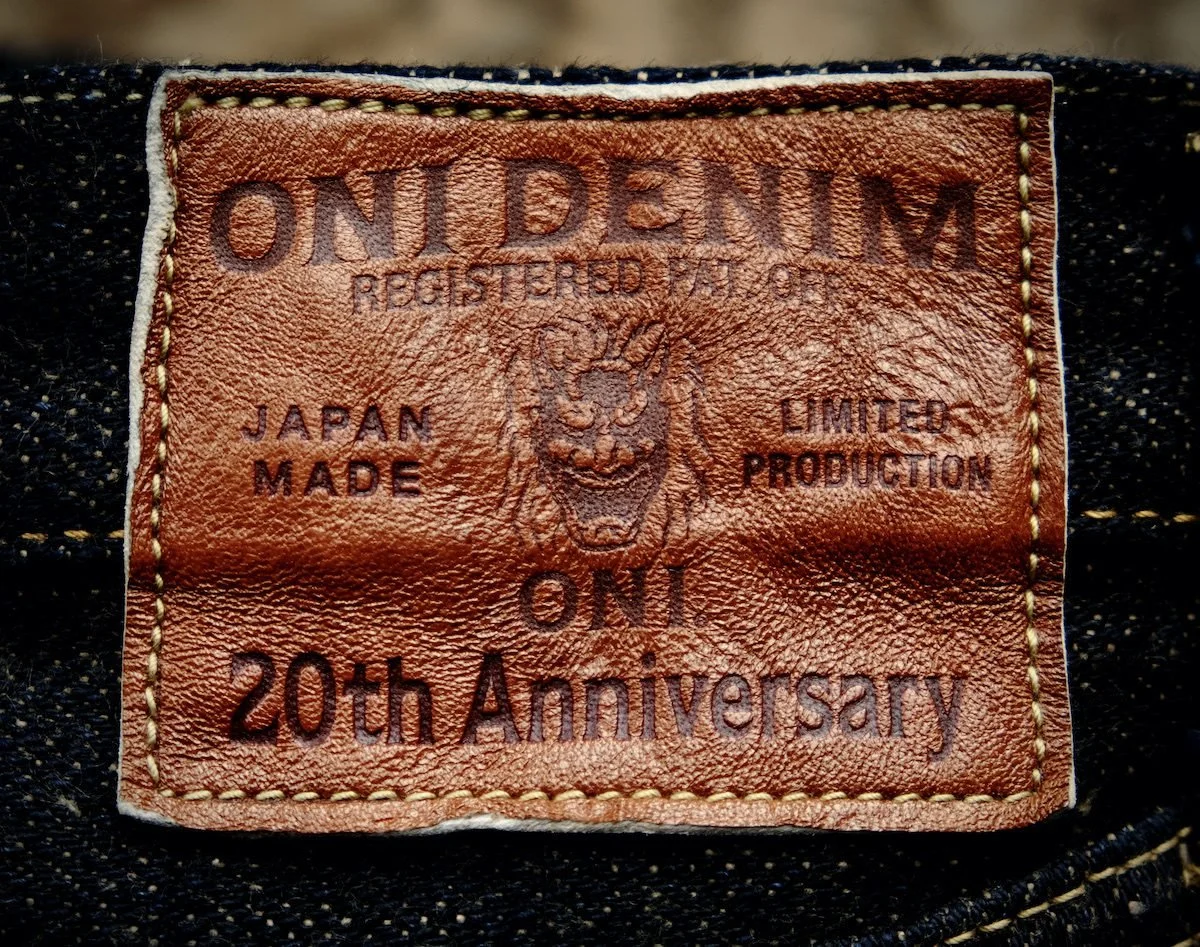
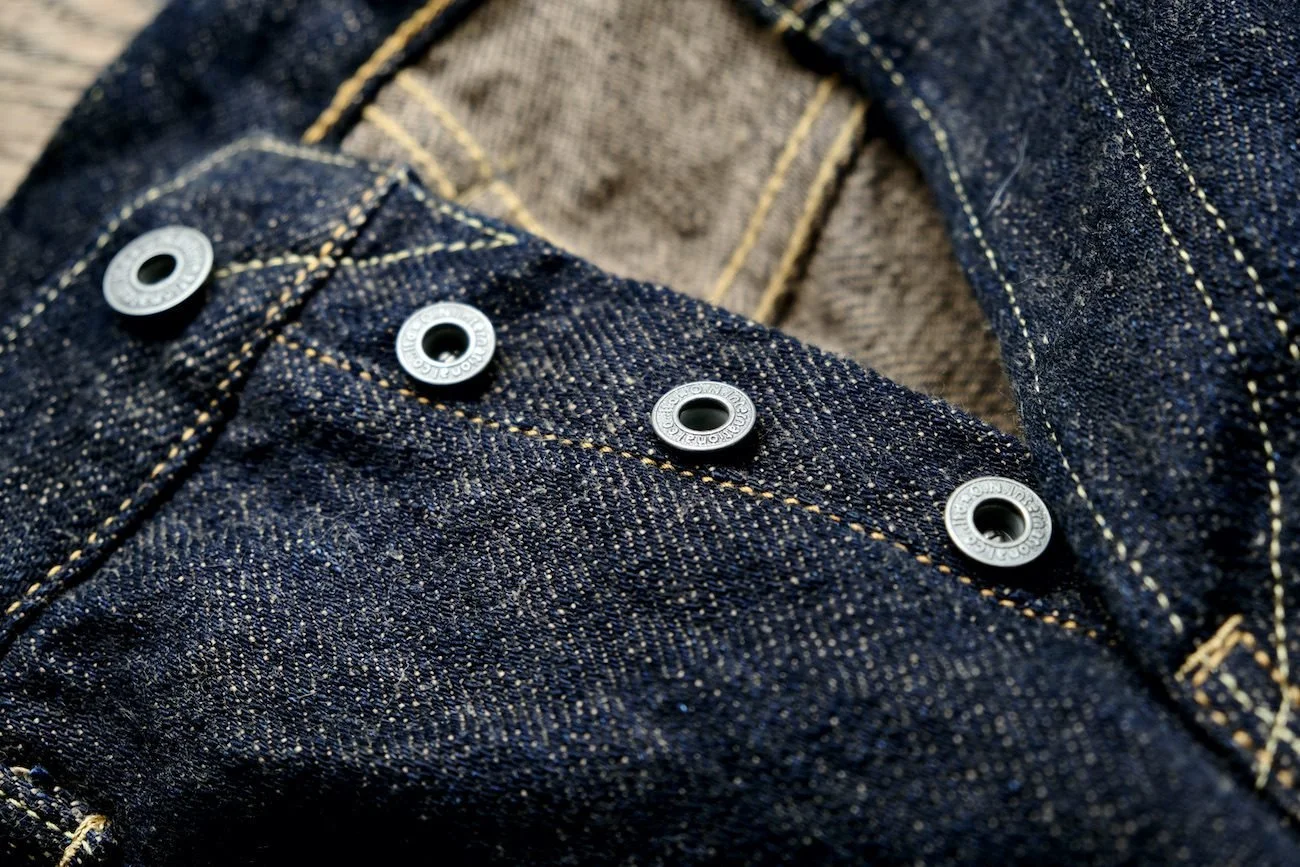
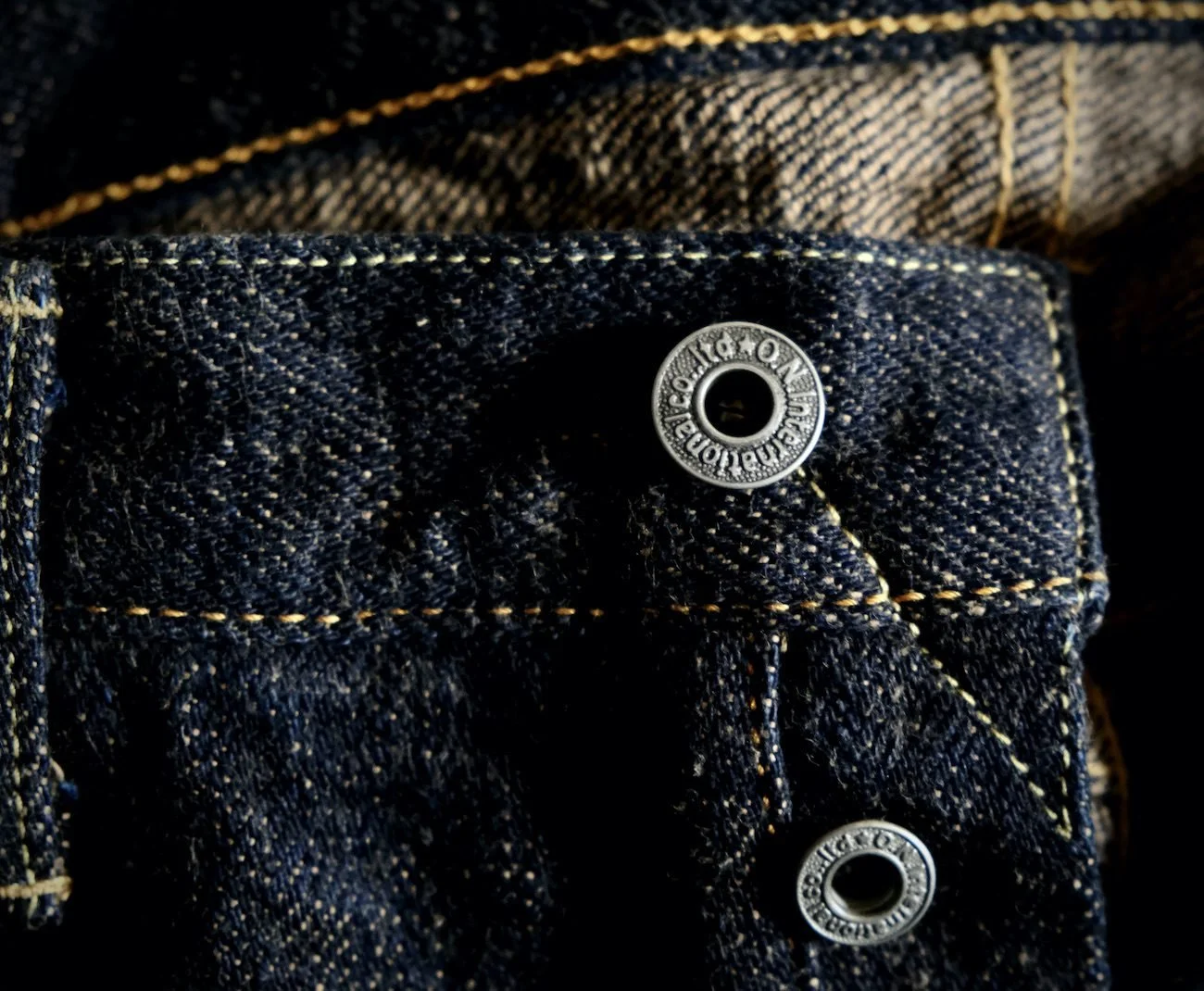
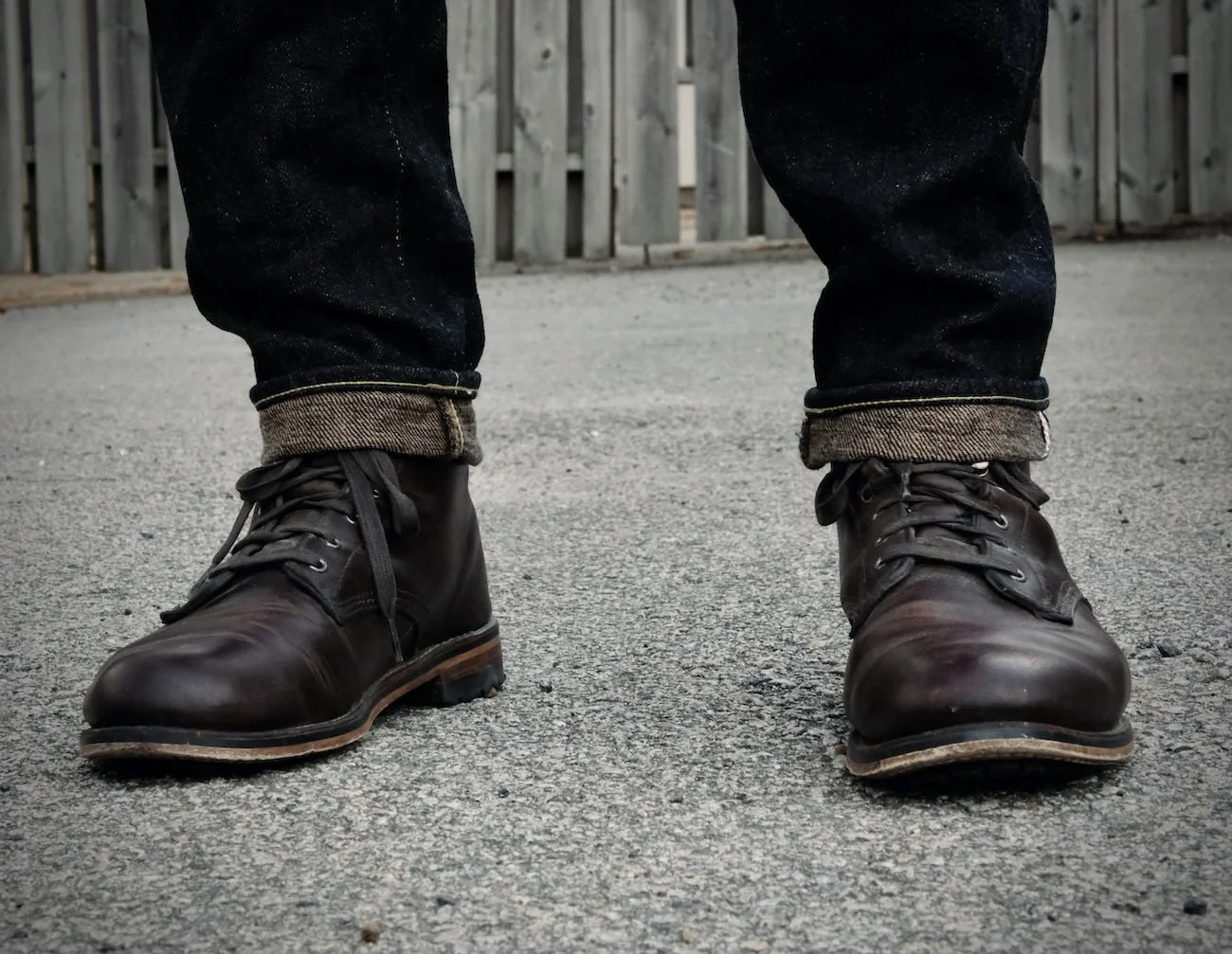
Creating Secret Denim, actually involves a number of secret techniques, from the way the yarn is made, to the way it is dyed and the way it is made into fabric on the old shuttle looms. It is a very heavy denim – usually around 19 or 20 ounces – woven with the looms set to a very low tension. This makes the weave in the fabric larger and more visible than normal – and when it starts to fade, it looks truly spectacular, developing an almost pixelated, highly textured appearance. It is stiff when new, its thick weave making it feel like a smoother version of hessian or sack-cloth. But with wear, it soon softens to an incredibly comfortable, blanket-like feel –tough, heavy and beautifully faded, like a genuine pair of vintage jeans from before the mass production era.
ONI Denim offer reasonably faithful versions of all three common denim jacket styles (the Type 1, Type 2 and Type 3, named in recognition the original First Type, Second Type and Third Type Levi denim jackets) All have been subtly updated with more length in the body, however, and in some cases, the addition of handwarmer pockets.
The jeans come in an even greater array of styles and fits, with the most popular being the slim(ish) tapered 622 and the straighter 288. Wider fits are also available for those seeking a true heritage look.
No discussion of ONI Denim would be complete, however, without mentioning the age of its founder. Mr Oishi is now in his seventies. It is not clear, at the time of writing, whether he intends to hand over the reins of this unique company to anyone else. Should he choose to retire, it may be that the secrets that go into making Secret Denim leave with him. If they do, this rare fabric will become rarer still.
Share this:
Images. The Obsessive, ONI Denim
All images are copyright to their respective owners.